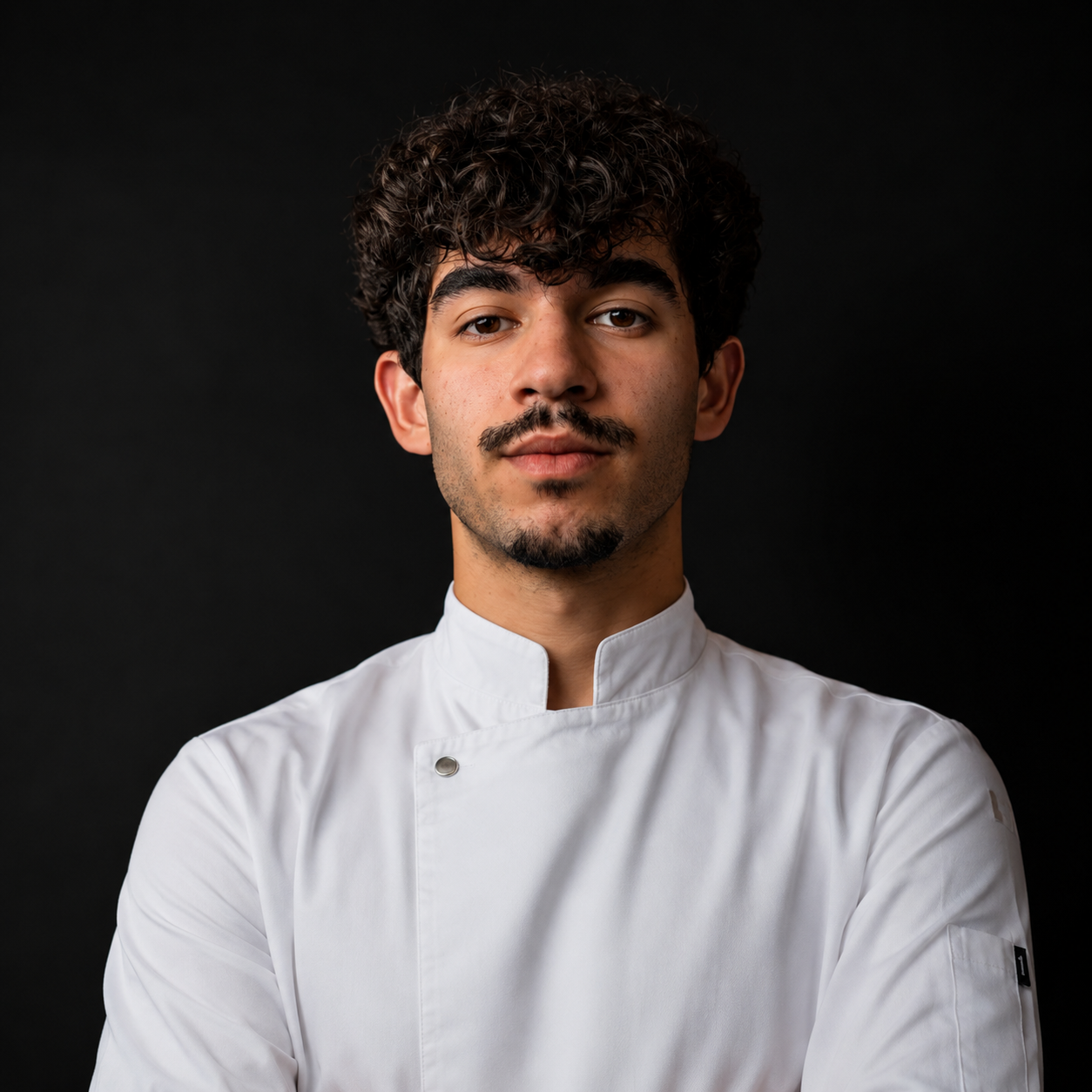
There was no product plan — just a cook running a private dining company, drowning in what he was learning. Every technique, aroma compound, season and pairing went into one searchable hub, organized to sharpen the next menu — usable mid-prep, not lost in a stack of notebooks.
The hub kept answering questions other cooks were asking out loud. Opening it up meant aspiring chefs and home-cook foodies could reach the same wider world of ingredients and techniques — without needing a decade on the line first.
A broader pantry spreads demand across more species instead of the same dozen over-farmed crops. Cooking to the calendar means fresher food that traveled less. PAIR exists to make both the easy path.
Spreading demand across 2,175 ingredients eases over-farming and keeps variety worth growing — biodiversity, on the plate.
The seasonality map puts peak produce near you first — fresher food, shorter miles, less of it wasted on the way.
The pairing method behind tasting menus, in the pocket of anyone improvising dinner — so trying the unfamiliar feels safe.

Sebastian walked into his first kitchen with no experience and one ask — a chance to learn. The only opening was the dish pit, so he took it. Two weeks later he was on the line running pastry; within a couple of years he was training in Paris, learning the classics where they were written.
Chicago came next — the hardest, most defining lines of his career, and the kitchens where drinks joined his picture of the plate. Back home in Miami he was a sous chef in a Michelin-starred kitchen within months. Alongside the stations came the study: three Harvard food-science certificates, Stanford nutrition — and the question that became PAIR.
Free in your browser · iOS & Android coming soon · no account needed to browse.
Open the web app